The journey to conception can be both exciting and challenging for couples hoping to start a family. While factors such as timing, age, and genetics play significant roles in fertility, emerging research suggests that nutrition also plays a crucial role in optimizing fertility for both men and women. The intricate link between nutrition and fertility, providing key insights and actionable tips for couples trying to conceive.
Impact of Nutrition on Fertility:
Nutrition plays a fundamental role in reproductive health, influencing hormone production, egg and sperm quality, and overall reproductive function. For women, nutrient deficiencies or imbalances can disrupt menstrual cycles, ovulation, and implantation, while for men, poor nutrition can affect sperm production, motility, and morphology. By prioritizing nutrient-rich foods and adopting healthy eating habits, couples can enhance their fertility potential and improve their chances of conception.
Essential Nutrients for Fertility:
Certain nutrients are particularly important for optimizing fertility in both men and women. These include:
- Folate: Essential for DNA synthesis and cell division, folate is crucial for preventing neural tube defects in the developing foetus.
- Omega-3 fatty acids: Found in fatty fish, flaxseeds, and walnuts, omega-3s support hormonal balance and reproductive health.
- Antioxidants: Vitamins C and E, selenium, and zinc act as powerful antioxidants, protecting reproductive cells from oxidative damage and improving fertility.
- Iron: Adequate iron intake is essential for maintaining healthy blood flow to the reproductive organs and supporting overall fertility.
Role of Diet in Fertility:
Adopting a fertility-friendly diet can significantly impact reproductive health and fertility outcomes. The following dietary recommendations can help support fertility:
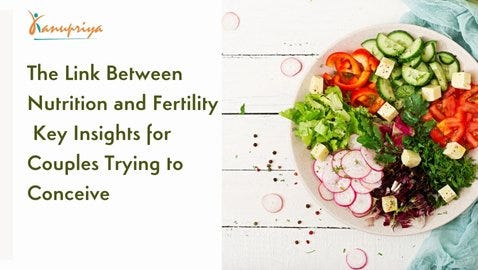
- Emphasize plant-based foods: Fruits, vegetables, whole grains, legumes, and nuts provide essential vitamins, minerals, and antioxidants crucial for reproductive health.
- Choose healthy fats: Incorporate sources of healthy fats such as avocados, olive oil, nuts, and seeds, which support hormone production and improve fertility.
- Limit processed foods: Processed foods high in refined sugars, trans fats, and artificial additives can negatively impact fertility by promoting inflammation and hormonal imbalances.
- Moderate caffeine and alcohol intake: Excessive consumption of caffeine and alcohol can disrupt hormone levels and impair fertility, so it’s important to consume them in moderation.
Lifestyle Factors and Fertility:
In addition to diet, lifestyle factors such as weight management, exercise, stress management, and sleep quality also influence fertility. Maintaining a healthy weight, engaging in regular physical activity, practicing stress-reducing techniques, and prioritizing adequate sleep can all positively impact fertility outcomes for both men and women.
Seeking Professional Guidance:
While adopting a fertility-friendly lifestyle can enhance fertility, couples facing challenges conceiving should seek professional guidance from a fertility specialist or reproductive endocrinologist. These experts can conduct thorough evaluations, identify underlying issues affecting fertility, and recommend personalized treatment plans tailored to each couple’s unique needs.
Nutrition plays a critical role in fertility, influencing reproductive health and fertility outcomes for both men and women. By prioritizing a nutrient-rich diet, adopting healthy lifestyle habits, and seeking professional guidance when needed, couples can optimize their fertility potential and increase their chances of conceiving a healthy baby. Remember, the journey to conception is unique for every couple, and by taking proactive steps to support your fertility, you’re investing in the future of your growing family.


No comments:
Post a Comment